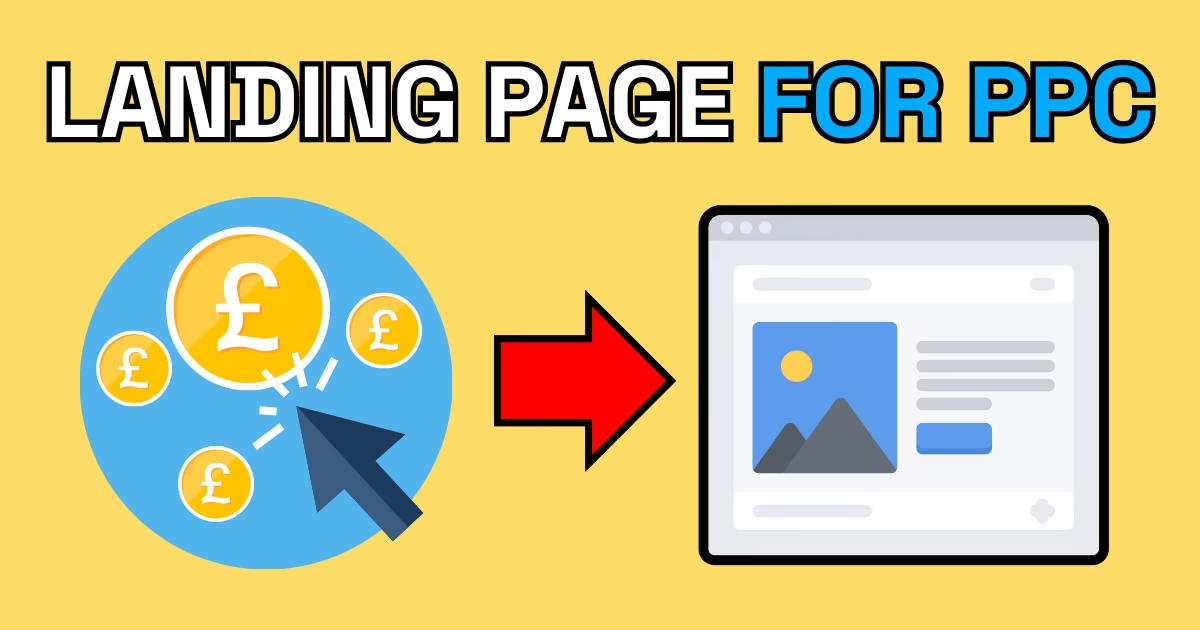
Running a PPC campaign without a proper landing page is like sending traffic to a dead end. If you’re investing in ads to drive visitors to your website, you need a high-converting landing page to turn those clicks into customers.
In this article, we’ll explain why you should create a landing page for a PPC campaign, how it impacts performance, and what makes a good one.
What Is a Landing Page?
A landing page is a standalone web page created specifically for a marketing or advertising campaign. It’s where a visitor “lands” after clicking your PPC ad.
Unlike your homepage or service page — which contains general information — a landing page is laser-focused on one goal: conversion.
7 Reasons to Use a Landing Page for Your PPC Campaign
1. Increase Conversion Rates
Landing pages are designed with one clear action in mind — whether that’s filling in a contact form, calling your business, or making a purchase. With fewer distractions, more visitors take the next step.
Businesses using dedicated landing pages see conversion rates increase by up to 300% compared to sending users to generic pages.
2. Better Ad Relevance & Quality Score
Google Ads rewards relevance. A well-optimised landing page:
- Matches your ad text and keywords
- Offers a seamless user experience
- Loads quickly and looks professional
This boosts your Quality Score, which can lower your Cost-Per-Click (CPC) and improve your Ad Rank.
3. Tailored Messaging
Different campaigns = different messages. A landing page allows you to speak directly to the needs of each audience segment.
Example:
- “Emergency Plumber in Bournemouth” ad leads to a landing page with urgent callout info
- “Boiler Servicing Offers” ad links to a page with seasonal discounts
This tailored approach builds trust and drives conversions.
4. Track Campaign Success More Accurately
With a landing page, you can easily:
- Track button clicks
- Monitor form submissions
- Analyse bounce rates and session duration
This gives you clear data on how your PPC campaign is performing — and what needs to improve.
5. Create Urgency and Focus
Landing pages allow for powerful conversion tactics like:
- Countdown timers
- Limited-time offers
- “Only 3 spots left” messaging
These elements drive action and are difficult to implement well on a generic page.
6. Optimised for Mobile & Speed
Most landing page builders (like Unbounce, Instapage, or Elementor) are built for speed and mobile responsiveness — which is critical since over 70% of PPC traffic comes from mobile devices.
7. Supports A/B Testing
You can easily test two versions of a landing page:
- Different headlines
- Alternate CTAs
- Variations in layout or colour
A/B testing lets you optimise for what actually works, improving ROI over time.
What Happens If You Don’t Use a Landing Page?
- Visitors may bounce if the page is too broad or confusing
- Poor Quality Score = higher ad costs
- Lost conversions due to lack of focus or unclear CTA
- Lower return on ad spend (ROAS)
Sending PPC traffic to a homepage is like opening a shop with no signs. People may walk in, but they’re unlikely to buy.
What Makes a Great PPC Landing Page?
- Strong headline that matches the ad
- Clear, benefit-focused copy
- One focused CTA (not five!)
- Mobile-friendly layout
- Trust signals (testimonials, accreditations, reviews)
- Fast load speed
- Visual consistency with your ad
Final Thoughts
If you’re serious about getting results from paid ads, you need to understand why you should create a landing page for a PPC campaign. It’s the difference between burning budget and generating real ROI.
By directing traffic to a page built for conversions, you’ll maximise every click, improve your ad performance, and drive more business — without spending more on ads.